
Flying on Water: How Vessev is Redefining Electric Boating
Eric Laackmann: Charting a New Course for Boating
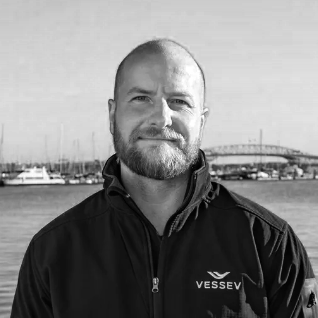
Eric Laackmann
In a recent episode of Green Boater TV's Marine EV Leadership Series, Eric Laackmann, the CEO of Vessev, shared his personal and professional journey, revealing how a lifelong passion for the ocean led him to pioneer a new, sustainable form of watercraft. The conversation highlighted the challenges facing the electric marine market, the transformative power of foiling technology, and Vessev's vision for a cleaner, more exhilarating future on the water.
From Sailing to Silicon Valley and Back
Laackmann's connection to the water began in childhood, growing up in Seattle with a father who was an avid sailor. He recalled sailing to the Galapagos and French Polynesia, and even spent seven years living on a boat in San Francisco. These experiences shaped a deep appreciation for the serenity and connection to nature that boating provides.
His professional path was just as impactful. An electrical engineer by training, he spent a significant part of his career at Apple, working on projects like the iPod, iPhone, and the first Apple Watch. This background in consumer electronics and product management gave him a unique perspective. He noted that modern electric boat manufacturers now have a high percentage of software engineers on staff, demonstrating that success in this new industry requires a blend of traditional boating knowledge and cutting-edge technology.
The Hurdle of Marine Electrification
According to Laackmann, the primary challenges facing the marine EV market today are the lack of charging infrastructure and the high upfront cost of electric vessels. Unlike automotive charging, which has become more widespread, ports and marinas are still lagging in their ability to provide the necessary power.
He drew a compelling parallel between buying a gas-powered boat and a "permanent lifetime subscription to BP, Exxon, and Shell," highlighting the significant operational cost savings of electric vessels. While the initial investment in an electric boat may be higher, the long-term benefits of reduced fuel and maintenance costs make a strong case for their financial viability.
Foiling: The "Massive Hack" for Efficiency

The core of Vessev's innovation lies in its use of hydro-foiling technology. Laackmann explained this concept with a simple analogy: imagine putting a giant parachute on the back of every car. The increased drag would drastically reduce the performance of electric cars, rendering them impractical. This is what a traditional boat hull does in the water.
Foiling, by lifting the hull out of the water, dramatically reduces drag and unlocks a huge potential for electric propulsion. "Hydro-foiling is a more than 2x gain on efficiency," he stated, emphasizing that this technological leap is far more impactful than any incremental improvements in battery density alone. He believes that given this profound efficiency gain, it's impossible for the future of sustainable boating to ignore this technology.
A New Era of Boating Begins
Vessev is focused on building commercial and recreational hydro-foiling boats, and has already sold vessels in North America and Europe. The company's first model, the VS, is a nine-meter, ten-seater commercial boat designed for hospitality and tourism. A key innovation in this vessel is its retracting foils, which can be pulled out of the water to prevent the growth of mussels, barnacles, and other marine life that would otherwise compromise performance.
Vessev's future plans include introducing a new, highly resilient and quiet motor pod system integrated into the hub of the foil. This is part of a broader philosophy of building core technologies from scratch to ensure a superior and highly-efficient product.
Laackmann views the current state of electric hydro-foiling as the "earliest innings of a big transition," comparing it to the dramatic changes seen in the sport of sailing after the introduction of hydro-foiling. He is confident that the sheer efficiency and performance benefits of this technology will secure its place as a new, sustainable standard for moving on water.
In a recent episode of Green Boater TV's Marine EV Leadership Series, Eric Laackmann, the CEO of Vessev, shared his personal and professional journey, revealing how a lifelong passion for the ocean led him to pioneer a new, sustainable form of watercraft. The conversation highlighted the challenges facing the electric marine market, the transformative power of foiling technology, and Vessev's vision for a cleaner, more exhilarating future on the water.
From Sailing to Silicon Valley and Back
Laackmann's connection to the water began in childhood, growing up in Seattle with a father who was an avid sailor. He recalled sailing to the Galapagos and French Polynesia, and even spent seven years living on a boat in San Francisco. These experiences shaped a deep appreciation for the serenity and connection to nature that boating provides.
His professional path was just as impactful. An electrical engineer by training, he spent a significant part of his career at Apple, working on projects like the iPod, iPhone, and the first Apple Watch. This background in consumer electronics and product management gave him a unique perspective. He noted that modern electric boat manufacturers now have a high percentage of software engineers on staff, demonstrating that success in this new industry requires a blend of traditional boating knowledge and cutting-edge technology.
The Hurdle of Marine Electrification
According to Laackmann, the primary challenges facing the marine EV market today are the lack of charging infrastructure and the high upfront cost of electric vessels. Unlike automotive charging, which has become more widespread, ports and marinas are still lagging in their ability to provide the necessary power.
He drew a compelling parallel between buying a gas-powered boat and a "permanent lifetime subscription to BP, Exxon, and Shell," highlighting the significant operational cost savings of electric vessels. While the initial investment in an electric boat may be higher, the long-term benefits of reduced fuel and maintenance costs make a strong case for their financial viability.
A New Era of Boating Begins
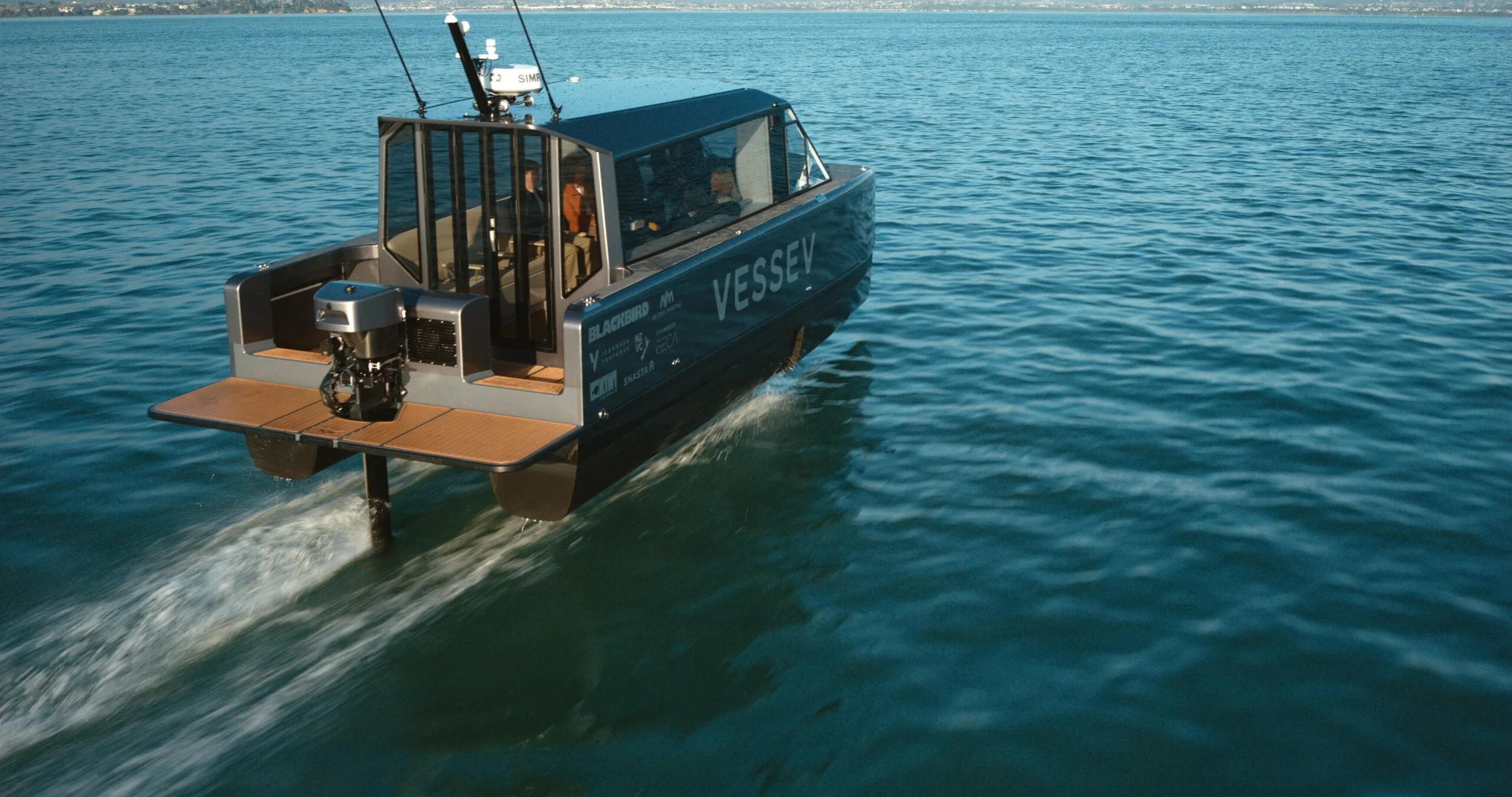
Vessev is focused on building commercial and recreational hydro-foiling boats, and has already sold vessels in North America and Europe. The company's first model, the VS, is a nine-meter, ten-seater commercial boat designed for hospitality and tourism. A key innovation in this vessel is its retracting foils, which can be pulled out of the water to prevent the growth of mussels, barnacles, and other marine life that would otherwise compromise performance.
Vessev's future plans include introducing a new, highly resilient and quiet motor pod system integrated into the hub of the foil. This is part of a broader philosophy of building core technologies from scratch to ensure a superior and highly-efficient product.
Laackmann views the current state of electric hydro-foiling as the "earliest innings of a big transition," comparing it to the dramatic changes seen in the sport of sailing after the introduction of hydro-foiling. He is confident that the sheer efficiency and performance benefits of this technology will secure its place as a new, sustainable standard for moving on water.
Copyright @TheGreenBoater 2025